Improving the quality of life of People with Disabilities!


We advocate equal access, emphasize inclusion, support Persons with Disabilities and uphold their rights.

About the Commission

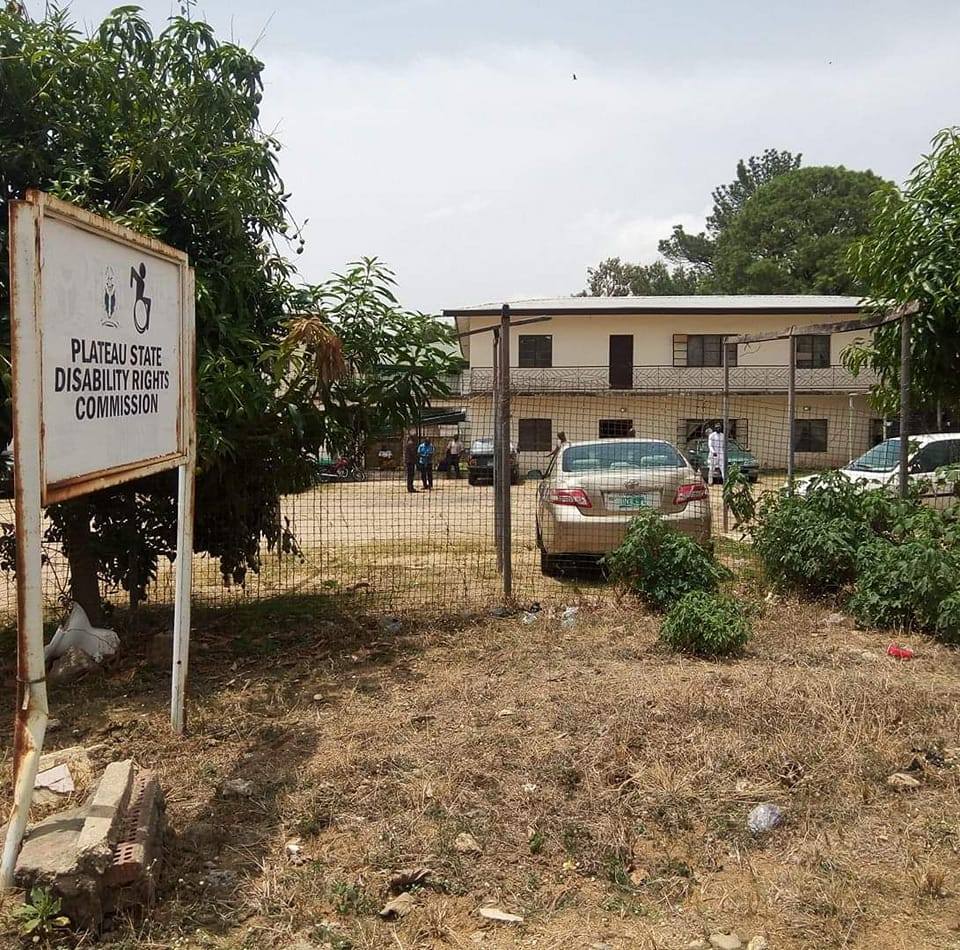
The Plateau State Disability Rights Commission is an agency of the Plateau State Government. Plateau State is one of the 36 states in the Federal Republic of Nigeria. It is situated in the North-Central Region of Nigeria.The idea of inculcating knowledge and skills, through rehabilitating persons with disabilities (PWDs) was first conceived by the then Military Governor of Benue-Plateau State Police Commissioner Joseph Dechi Gomwalk in 1970. The Governor, started by establishing what was known as the Provincial Workshop for the Blind Jos in 1973. This was converted to Government Vocational Training Centre for the Blind and relocated to Zawan in 1975. The institution offered a two-year training which led to the award of certificate of proficiency under the supervision of Benue-Plateau Ministry for Local Government and Social Welfare.

Read More

Our Vision

Our vision is to build an inclusive society where the rights of persons with Disabilities are upheld. We envision a society void of discrimination in which Persons with Disabilities have equal access to education, health, employment, and every other social benefit.

Our Mission

The mission of PLDRC is to build facilities and organise activities that ensure the full inclusion of persons with disabilities into the mainstream of the society, especially in the areas of education, health, employment, rehabilitation and civil rights.

Disability Rights Acts

Disability laws are laws linked to Persons with Disabilities: These laws protect Persons with Disabilities from certain kinds of discrimination, particularly regarding employment, housing, education, and access to public services.

Read More

Goals and Objectives


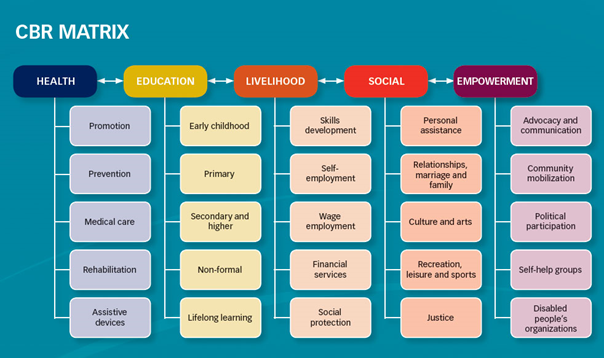
The commission has adapted and operates within the five life domains or key components of Community Based Rehabilitation (CBR) matrix. Each component has five sub-domains or elements.
They are: Health, Livelihood, Education, Social and Empowerment.
Education
Education is about all people being able to learn what they need and want throughout their lives, according to their potential. It includes “learning to know, to do, to live together and to be”. Education takes place in the family, the community, schools and institutions, and in society as a whole. The operations of the commission with respect to education covers:
  • Early Chilhood
  • Primary
  • Secodary and Higher Institution
  • Non-formal
  • Lifelong Learning

Read More

Livlihood
Livlihood is secured through decent work. Work refers to any activity or task that an individual performs in exchange for payment,compensation, or other forms of reward. There are different types of work. There is employment. This is when one works for an employer, either full-time or part-time, in exchange for a salary or wages. There is self-employment. This is working for oneself, either as a freelancer, entrepreneur, or small business owner. The operation towards enhancing the Livlihood of Persons with Disabilities extends to:

  • Skills Development
  • Self-employment
  • Wage Employment
  • Financial Services
  • Social Protection

Read More


Health
The right to health is not only about access to health services. It is also about access to the underlying determinants of health. The commission ensures that Persons with Disabilities have:
  • Safe drinking water, adequate sanitation and housing.
  • The highest possible level of health.
  • Access to health services by facilitating inclusive health through colaboration with the health sector

Read More


Empowerment
Empowerment simply means having a say and being listened to, self-power, own decision-making, having control or gaining further control, being free, independent, being capable of fighting for one’s rights, and being recognized and respected as equal citizens and human beings with a contribution to make. To empower Persons with Disabilities, the commision will enguage in the following:
  • Information dissemination through traditional methods (print, electric media, radio, television,lectures, posters, billboards etc.) digital methods:(social media, websites) etc.
  • Capacity Building for Persons with Disabilities on self-advocacy, independent living skills, leadership skills, health and wellness etc.
  • Awareness and Education on Assistive Technology and Digital Literacy
  • Education and awareness through peer support activities

Read More
Our Programmes

Our programmes are geared towards advocacy and meeting the MDG for persons with disabilities in the areas of health, education,and employment.

Donate

Testimonials

Brief statement about impacat of the commision